
Expert Tips to Hire an Interior Designer & Avoid Costly Mistakes
Introduction
Embarking on a home renovation or redesign is an exciting milestone, yet it frequently comes with unexpected stress and financial decisions. Homeowners are often faced with a critical choice: should they undertake the design process themselves, or should they hire a professional home interior designer? Making an informed choice is essential to avoiding costly mistakes, securing quality materials, and creating a cohesive space that matches one's lifestyle. This guide details when to choose DIY design, when to partner with a professional designer, and how to successfully navigate the collaboration process.
Understanding Your Project Scope
Before making any decisions, one must clearly define the parameters of the project. Spatially, home improvements can range from single-room updates to full-scale, structural transformations. The size, budget, and structural impact of the project determine the level of expertise required. While changing cushions or painting a single wall requires minimal planning, remodeling a kitchen, executing structural masonry, or updating MEP (mechanical, electrical, plumbing) layouts demands structured design coordination.
Small Projects vs Large Projects
Different projects require different execution paths. Small-scale projects typically involve cosmetic upgrades like updating light fixtures, styling shelves, choosing curtains, or rearranging existing furniture. These projects carry low risk and can be executed quickly. On the other hand, large-scale projects involve spatial re-planning, customized modular cabinetry, false ceiling designs, civil modifications, and electrical alterations. Large-scale projects involve complex logistics and require coordinating multiple vendors, making professional oversight essential for a successful outcome.
When DIY is the Right Choice
Deciding to design a space independently is a great choice under specific conditions. A DIY approach is highly suitable when the project is cosmetic, the budget is limited, and the homeowner has the time and interest to manage the sourcing and installation. Selecting paint colors, picking out throw pillows, and assembling flat-pack study desks are excellent projects for hands-on styling, offering creative satisfaction without significant risk.
DIY Project Workflow
For homeowners pursuing a DIY path, executing the project in a structured sequence is key to achieving a cohesive look:
- Research & Inspiration: Explore design inspirations on sites like Pinterest or Houzz to define a clear style.
- Precise Measurements: Measure the room dimensions carefully to avoid buying ill-fitting furniture.
- Unified Color Palette: Select a cohesive color palette before purchasing items.
- Detailed Budgeting: Create a detailed budget detailing materials, shipping costs, and accessories.
- Vendor Sourcing: Source items from reliable local vendors.
- Installation: Install major furniture pieces first before styling with accessories and plants.
When You Should Hire an Interior Designer
Hiring an experienced interior designer becomes critical when a project involves complex spatial alterations, custom manufacturing, or high-value investments. Homeowners should partner with a professional designer when executing full home interiors, structural wall alterations, customized modular kitchens, or specialized lighting and MEP plans. Designers bring technical knowledge, industry connections, and project management skills that protect the homeowner's budget and ensure high-quality execution.
Interior Designer Collaboration Process
Working with an interior designer is a collaborative journey divided into structured phases:
- Initial Consultation: The designer understands the client's requirements, lifestyle, and budget.
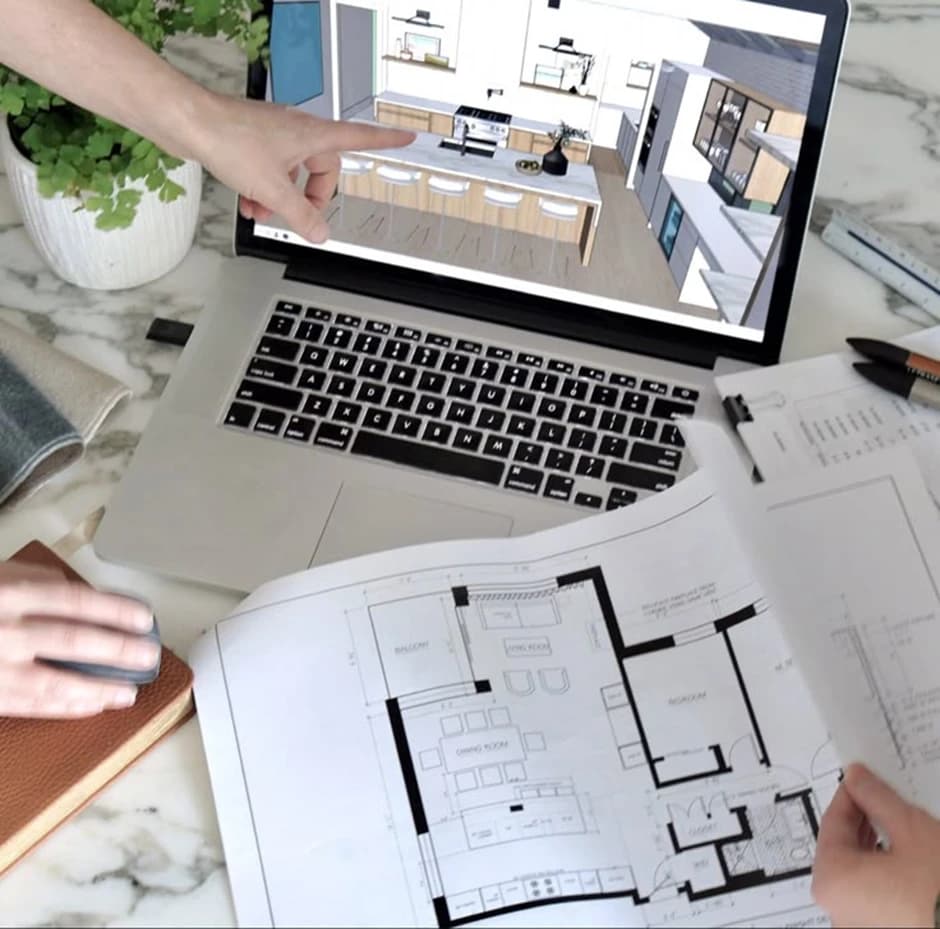
- Conceptual Phase: 2D space layouts and 3D color renders are presented to align on styling.
- Detailed Design Phase: Material specifications, electrical drawings, and custom woodwork details are finalized.
- Execution Phase: The designer coordinates with on-site contractors to monitor quality, manage timelines, and deliver a turnkey home.
DIY vs Professional Interior Designer Comparison Table
| Feature | DIY Design | Hiring an Interior Designer |
|---|---|---|
| Cost | Lower upfront costs; high risk of budget creep. | Fee-based; optimizes spending and avoids wastage. |
| Time | Demands extensive personal research and sourcing time. | Saves time; designer manages all logistics and vendors. |
| Expertise | Limited to personal knowledge and self-guided learning. | Access to professional spatial planning and engineering. |
| Scope | Best suited for small cosmetic room refreshes. | Handles complex turnkey renovations and configurations. |
| Resources | Restricted to public retail and online stores. | Access to trade-only wholesale materials and custom artisans. |
| Project Management | Homeowner directly coordinates all labor and scheduling. | Turnkey management; designer acts as single point of contact. |
| Customisation | Relies on standard off-the-shelf retail sizes. | Tailored bespoke cabinetry and customized layouts. |
| Quality | Depends on the skill level of independent contractors. | Guaranteed premium finishes, QA checks, and warranties. |
Questions to Ask Before Making Your Decision
Hiring the right designer requires asking the right questions during the initial interview:
- Ask to see a portfolio of completed projects similar to your scope.
- Ask how they manage budgets, handle cost overruns, and structure their fees.
- Ask about their material sourcing policies, vendor warranties, and quality check systems.
- Ask who will supervise the on-site work and how progress updates will be shared.
- Ask about the estimated project timeline and how they handle delays.
Common Mistakes Homeowners Make
Avoiding common pitfalls ensures a smooth design journey. One frequent mistake is hiring a designer based only on E-portfolio pictures without checking client reviews. Other mistakes include not establishing a clear budget upfront, choosing style over functional needs, blocking natural light with heavy curtains, using incorrect furniture scales, and relying on uncertified local contractors.
Final Thoughts
Whether choosing a DIY path or partnering with a professional interior design company, successful design relies on clear planning, realistic budgeting, and functional zoning. For simple cosmetic upgrades, a DIY approach offers great creative freedom. For comprehensive turnkey renovations, hiring a designer protects your investment, saves valuable time, and delivers a timeless home.
Ready to transform your home into a beautiful, functional, and timeless space?
At Dot R Interiors, our experienced designers help homeowners create interiors that perfectly balance style, comfort, and practicality. From concept planning to complete execution, we deliver customized interior solutions tailored to your lifestyle and budget.
Project Gallery
Design Inspiration


Related Articles
Continue Reading

The 7 Principles of Interior Design (and How to Apply Them in Your Home)
Discover the seven principles of interior design including balance, harmony, contrast, proportion, and detail to style beautiful homes with Dot R Interiors.

Beginner's Guide to Choosing the Right Lighting for Every Room
Learn how to choose the perfect lighting for every room using ambient, task, and accent lighting layouts by the design experts at Dot R Interiors Chennai.

Inside a Modern Home: A Complete Residential Interior Design Tour & Expert Design Insights
Explore a beautifully designed modern home with expert residential interior design ideas. Discover practical tips for living rooms, kitchens, bedrooms, workspaces, and future-ready home planning.
Author
Dot R Interiors
Dot R Interiors is a premium interior design company in Chennai specializing in residential interiors, villa interiors, commercial interiors, modular kitchens and turnkey projects. Our design experts share practical insights, design trends and renovation ideas to help homeowners create beautiful spaces.
Let's Build Together
Ready To Transform Your Space?
Transform your residential, villa, office or commercial space with premium interior design, luxury craftsmanship and complete turnkey execution by Dot R Interiors. We provide instant estimates at our budget estimator.