


The Unspoken Power of Texture: How to Layer for a Rich, Professional Designer Look
In the world of interior design, we often hear about color palettes, furniture arrangements, and lighting schemes. While these elements are undoubtedly crucial, there’s a powerful, often unspoken, secret weapon that professional designers wield to elevate a space from ordinary to extraordinary: texture. Texture adds depth, interest, and a tactile experience that engages the senses and makes a room truly come alive. It’s the subtle art of layering that transforms a flat, two-dimensional space into a rich, multidimensional haven.
Understanding Texture in Interior Design
Texture refers to the way a surface feels or appears to feel. It can be rough, smooth, soft, hard, shiny, dull, porous, or dense. In interior design, texture is not just about what you touch; it’s also about what you see. The visual texture of a material, like the grain of wood or the weave of a fabric, contributes significantly to the overall aesthetic of a room.
Why Texture Matters
- Adds Depth and Dimension: Without varied textures, a room can feel flat and uninviting. Layering different textures creates visual interest and a sense of depth.
- Evokes Emotion and Mood: Soft textures like velvet and faux fur can create a cozy and luxurious feel, while rough textures like exposed brick or raw wood can evoke a more rustic or industrial vibe.
- Enhances Visual Appeal: Texture can highlight certain elements and draw the eye, making a space more engaging and dynamic.
- Provides Balance and Contrast: Just as contrasting colors create visual interest, contrasting textures can do the same, preventing a room from feeling monotonous.
- Improves Acoustics: Soft, porous textures can absorb sound, reducing echoes and making a room feel more comfortable. Hard surfaces, on the other hand, can reflect sound, contributing to a livelier atmosphere.
The Science Behind Our Connection to Texture
Our brains are wired to process sensory information, and texture plays a significant role in how we perceive our environment. Studies in environmental psychology have shown that tactile experiences can influence our mood, comfort levels, and even cognitive performance. A room with a variety of textures offers a richer sensory experience, making us feel more grounded and engaged.
Layering Texture Like a Pro: A Step-by-Step Guide
Mastering the art of layering texture involves a thoughtful approach to material selection and placement. Here’s how to achieve that rich, professional designer look:
Step 1: Start with Your Foundation
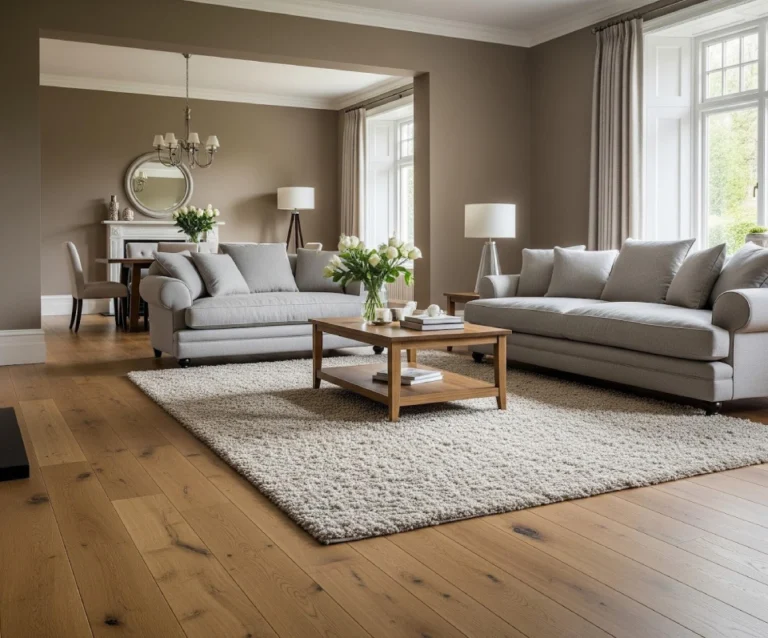
Consider the textures of your larger, foundational elements first. These include your flooring, walls, and main furniture pieces.
- Flooring: Do you have polished concrete, plush carpet, or natural hardwood? Each of these provides a distinct textural base.
- Walls: Are your walls smooth plaster, textured wallpaper, or exposed brick? The wall treatment significantly impacts the room’s overall feel.
Large Furniture: Think about your sofa and armchairs. A linen sofa offers a different texture than a leather one.
Step 2: Introduce Mid-Layer Textures
Once your foundation is set, introduce mid-layer textures with area rugs, curtains, and larger decorative items.
- Area Rugs: A plush shag rug can soften a sleek hardwood floor, while a jute rug can add organic warmth to a more modern space.
- Curtains: Velvet drapes add a touch of luxury and softness, while sheer linen curtains provide a light, airy texture.
- Accent Furniture: Consider a side table with a raw wood finish or a metal console with a brushed texture.
Step 3: Add Finishing Touches with Small Details
This is where you truly bring the layers together and add personality. Think about throw pillows, blankets, decorative objects, and even plants.
- Throw Pillows: Mix and match textures! Combine a chunky knit pillow with a silky velvet one, or a faux fur cushion with a crisp cotton one.
- Throws and Blankets: Drape a luxurious cashmere throw over a sofa or a woven wool blanket over an armchair.
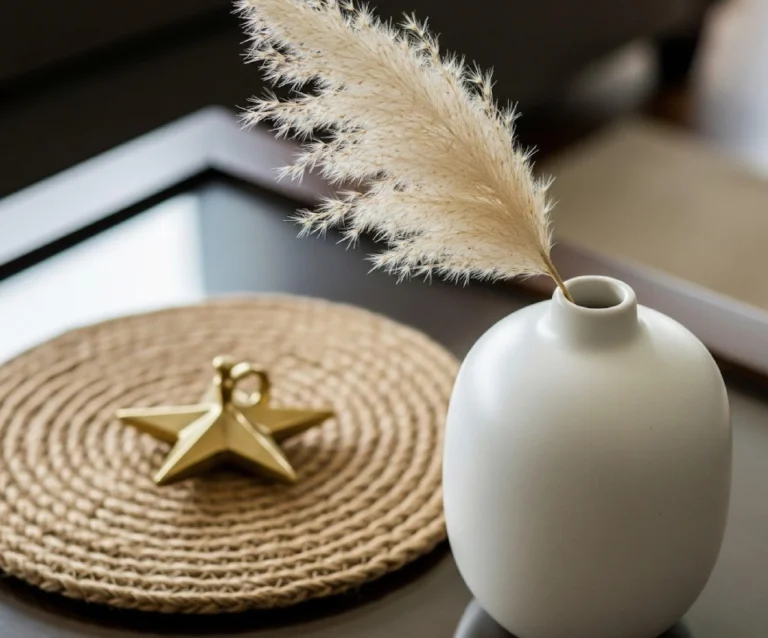
- Decorative Objects: Incorporate items made from different materials – a ceramic vase, a metallic sculpture, a woven basket.
- Plants: The natural texture of plants, from broad leaves to delicate ferns, adds an organic and refreshing element.
Common Textural Pairings and Their Effects
| Texture Type | Example Materials | Common Pairing | Effect |
|---|---|---|---|
| Smooth | Polished marble, glass, silk | Rough wood, linen | Creates modern contrast, sleek |
| Soft | Velvet, faux fur, cashmere | Leather, stone | Inviting, luxurious, cozy |
| Rough | Exposed brick, raw wood, tweed | Smooth metal, delicate silk | Rustic, industrial, natural |
| Shiny | Mirrored surfaces, polished chrome | Matte finishes, natural fibers | Glamorous, contemporary |
| Matte | Unfinished wood, chalk paint | Glossy surfaces, metallic accents | Subtle, sophisticated, understated |
Pitfalls to Avoid
- Too Much of a Good Thing: While layering is key, too many competing textures can make a room feel cluttered and overwhelming. Strive for balance.
- Ignoring Scale: Ensure the textures are appropriate for the scale of the room and the items. A tiny room might feel overwhelmed by a large, heavily textured piece.
- Forgetting Functionality: Always consider how a textured item will be used. A heavily textured rug might be beautiful but impractical in a high-traffic area.
The Impact of Texture on Room Perception
Texture can significantly alter how a room is perceived. Below is a table illustrating the common perceptions associated with dominant textures.
| Dominant Texture | Perceived Feeling | Perceived Size of Room | Best Suited For |
|---|---|---|---|
| Soft, Plush | Cozy, luxurious, inviting | Smaller, more intimate | Bedrooms, living rooms |
| Smooth, Hard | Modern, clean, spacious | Larger, more expansive | Kitchens, bathrooms, modern living areas |
| Rough, Natural | Rustic, warm, grounded | Neutral, adaptable | Farmhouse, industrial, eclectic styles |
| Reflective, Shiny | Elegant, bright, formal | Can appear larger | Formal dining rooms, entryways |
Case Study: Living Room Transformation with Texture
Let’s imagine a living room that initially felt bland. It had smooth, light-colored walls, a simple cotton sofa, and a plain wooden coffee table.
Initial Texture Analysis:
- Walls: Smooth
- Sofa: Smooth cotton
- Coffee Table: Smooth wood
- Flooring: Smooth laminate
Texture Transformation Plan:
- Area Rug: Introduce a large, shaggy wool rug to add softness and warmth underfoot.
- Throw Pillows: Add a mix of velvet, knitted, and linen throw pillows to the sofa.
- Throw Blanket: Drape a chunky knit throw over one arm of the sofa.
- Curtains: Replace plain curtains with textured linen drapes.
- Accent Chair: Introduce an armchair upholstered in a textured tweed fabric.
- Decorative Objects: Place a woven basket for magazines, a ceramic vase with a matte finish, and a metallic tray on the coffee table.
- Plants: Add a large potted plant with broad, textured leaves.
Result: The room now feels incredibly inviting, rich, and visually dynamic, even though the core furniture pieces remained the same. The varied textures provide depth and interest, creating a professional designer look.
Conclusion
Texture is a fundamental element in creating a truly captivating and professionally designed space. By thoughtfully layering different materials and surfaces, you can add depth, evoke emotion, and create a sensory-rich environment that feels both sophisticated and incredibly inviting. Don’t underestimate the unspoken power of texture – it’s the secret ingredient that elevates a room from merely functional to truly extraordinary. Experiment, play, and trust your instincts; your space will thank you for it.