


Beginner’s Guide to Choosing the Right Lighting for Every Room
Lighting is more than just turning on a switch; it’s an art form that can dramatically transform the ambiance, functionality, and aesthetic of any room. Understanding the different types of lighting and how to use them effectively is key to creating a home that is both beautiful and practical. This guide will walk you through the fundamentals of ambient, task, and accent lighting, and provide practical tips for illuminating your living room, bedroom, and kitchen.
The Three Pillars of Lighting
Every well-lit room incorporates a combination of three main lighting types. Think of them as layers that work together to create a balanced and inviting space.
1. Ambient Lighting (General Lighting)
Ambient lighting provides the overall illumination for a room, allowing you to move around safely and comfortably. It’s the foundational layer of your lighting scheme.
Purpose: To provide a uniform level of brightness throughout the space.
Fixtures:
- Ceiling fixtures: Recessed lights, flush mounts, semi-flush mounts, chandeliers.
- Floor lamps and table lamps: Can supplement overhead lighting.
- Wall sconces: Offer soft, diffused light.
2. Task Lighting
Task lighting is focused illumination designed to help you perform specific activities, such as reading, cooking, or working. It reduces eye strain and improves concentration.
Purpose: To illuminate a specific area for a particular activity.
Fixtures:
- Under-cabinet lights: Ideal for kitchen countertops.
- Desk lamps: Perfect for home offices or study areas.
- Reading lamps: Positioned next to a chair or bed.
- Pendant lights: Can be used over kitchen islands or dining tables.
3. Accent Lighting
Accent lighting is used to highlight specific features, objects, or areas in a room, adding drama and visual interest. It’s the decorative layer that brings personality to your space.
Purpose: To draw attention to architectural features, artwork, or decorative elements.
Fixtures:
- Track lighting: Adjustable fixtures that can be directed at specific points.
- Picture lights: Designed to illuminate artwork.
- Uplights: Placed on the floor to cast light upwards onto walls or plants.
- Recessed spotlights: Can be angled to highlight features.
Lighting Up Specific Rooms
Now let’s apply these principles to some of the most common rooms in your home.
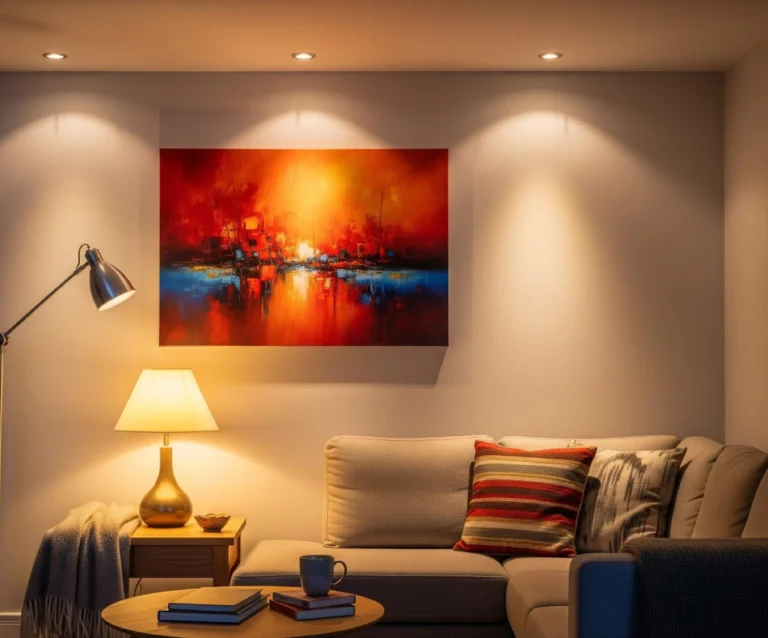
The Living Room: A Hub of Activity
The living room is often a multi-functional space, used for relaxing, entertaining, and sometimes even working. A versatile lighting scheme is essential here.
- Ambient: Start with recessed lighting, a statement chandelier, or several floor and table lamps for general illumination.
- Task: Place reading lamps next to sofas or armchairs. Consider a desk lamp if you have a work-from-home setup in your living room.
- Accent: Use track lighting or adjustable recessed lights to highlight artwork, a fireplace, or architectural details. Wall sconces can also add a decorative touch.
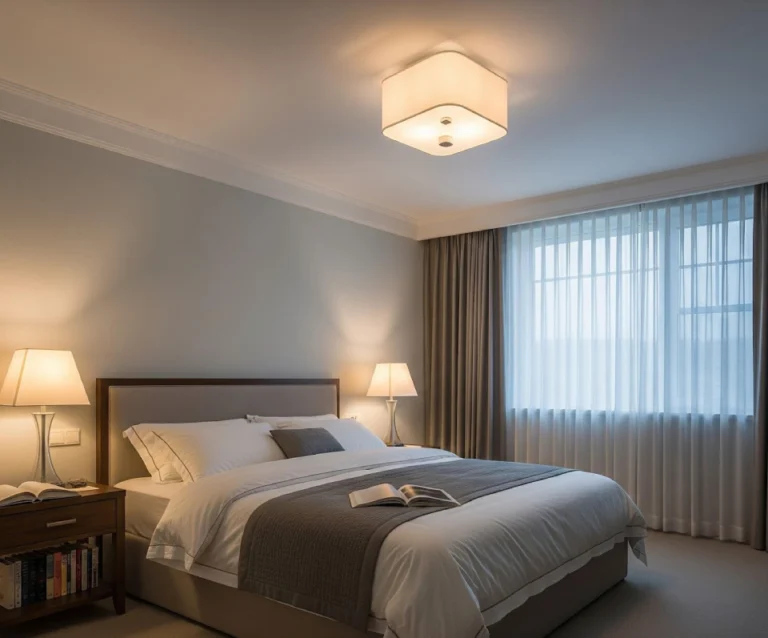
The Bedroom: Your Personal Sanctuary
The bedroom requires lighting that promotes relaxation and comfort, while also providing adequate illumination for tasks like reading or getting dressed.
- Ambient: A central ceiling fixture with a dimmer switch allows you to control the overall brightness. Supplement with bedside table lamps.
- Task: Bedside lamps are crucial for reading. Consider a dressing table lamp or vanity lights if you have a dedicated grooming area.
- Accent: Soft uplights for plants or a decorative lamp on a dresser can add warmth. Avoid harsh, direct accent lighting that could disrupt a calm atmosphere.
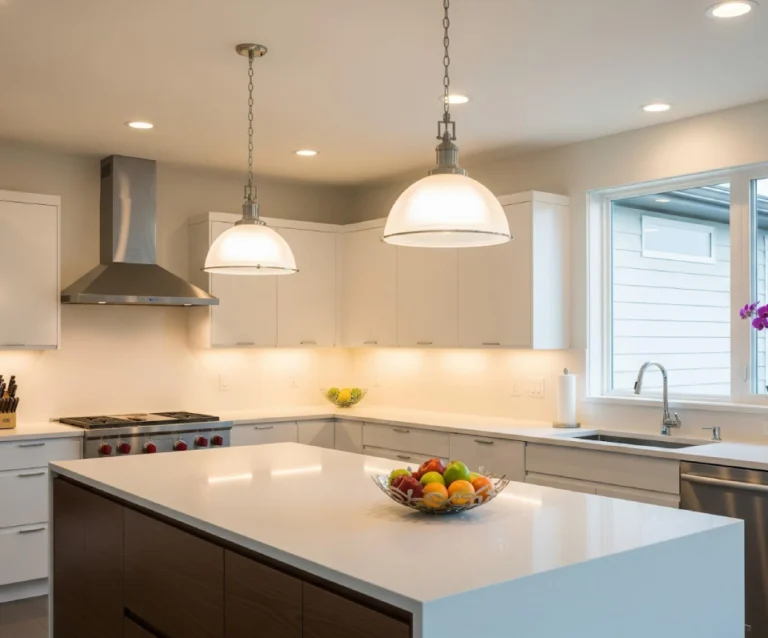
The Kitchen: The Heart of the Home
The kitchen is a highly functional space where proper lighting is paramount for safety and efficiency, especially when preparing food.
- Ambient: Recessed lighting is often the best choice for even, general illumination.
- Task: Under-cabinet lighting is a must for illuminating countertops, preventing shadows while you chop and prepare food. Pendant lights over an island provide excellent task lighting and can also serve as a decorative element.
- Accent: Consider in-cabinet lighting to showcase glassware or decorative items. Small spotlights can highlight a backsplash or a display shelf.
Tips for Effective Lighting
- Use Dimmers: Dimmers are your best friend. They allow you to adjust the intensity of light, creating different moods and saving energy.
- Consider Color Temperature: Lighting comes in various color temperatures, measured in Kelvin (K).
- Warm white (2700K-3000K): Cozy and inviting, ideal for living rooms and bedrooms.
- Cool white (3500K-4500K): Brighter and more energetic, suitable for kitchens and home offices.
- Daylight (5000K-6500K): Very bright and crisp, best for task-intensive areas where accuracy is important.
- Layer Your Lighting: Don’t rely on a single light source. Combine ambient, task, and accent lighting to create a rich and dynamic environment.
- Think About Function and Aesthetics: While functionality is crucial, especially for task lighting, don’t forget the visual appeal of your fixtures.
- Consult a Professional: If you’re undertaking a major renovation or feel overwhelmed, a lighting designer can provide expert guidance.
By understanding these fundamental principles and applying them thoughtfully, you can transform your home into a beautifully lit, comfortable, and functional space. Experiment with different fixtures and light levels to discover what works best for each room and your personal style.