


Designer Secrets: How to Mix and Match Patterns Like a Pro (Without the Clutter)
Do you love the idea of incorporating patterns into your home but fear it might lead to a chaotic, cluttered look? You’re not alone! Many aspiring designers shy away from mixing patterns, thinking it’s a skill reserved for the pros. But here’s a secret: it’s an art that can be learned, and with a few key principles, you can transform your space from drab to fab with a dynamic, curated aesthetic.
Mixing and matching patterns adds depth, personality, and visual interest to any room. It’s about creating a conversation between different elements, ensuring they complement rather than compete. Let’s unlock the secrets to mastering this design technique without the mess!
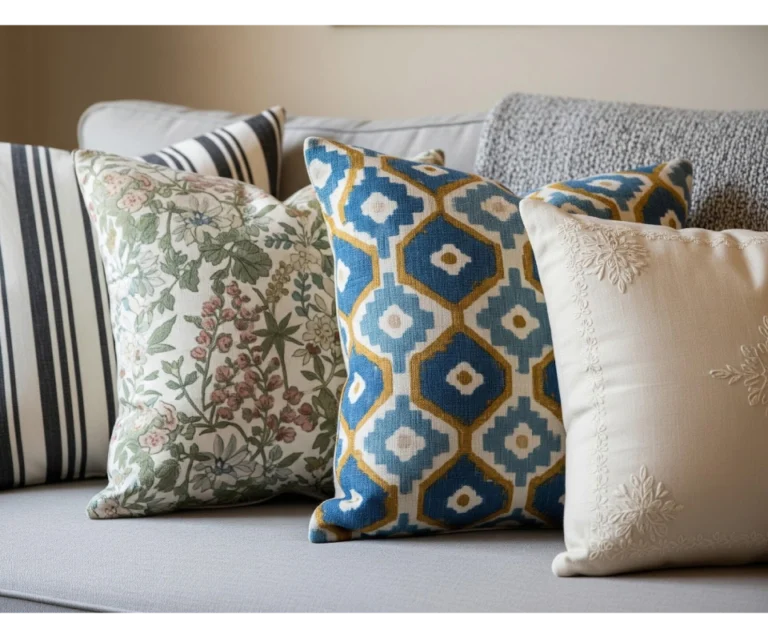
1. Start with a Foundation: The “Lead” Pattern
Every successful pattern mix begins with a star. Choose one pattern that will serve as your focal point or “lead.” This is usually the largest, most dominant, or most colorful pattern in your scheme.
- Placement: This lead pattern often appears on larger items like a rug, sofa, or accent wall.
- Inspiration: Let this pattern guide your color palette and the scale of the other patterns you introduce.
2. Play with Scale: Big, Medium, and Small
The biggest mistake people make when mixing patterns is choosing patterns that are all the same size. Varying the scale is crucial for creating visual balance and preventing your room from feeling overwhelming.
- Large Scale: Your lead pattern should typically be large-scale.
- Medium Scale: Introduce a medium-scale pattern that complements your lead but isn’t too similar in size.
- Small Scale: Finish with a small-scale, intricate pattern that adds detail without dominating. Think of a subtle stripe or a tiny geometric print.
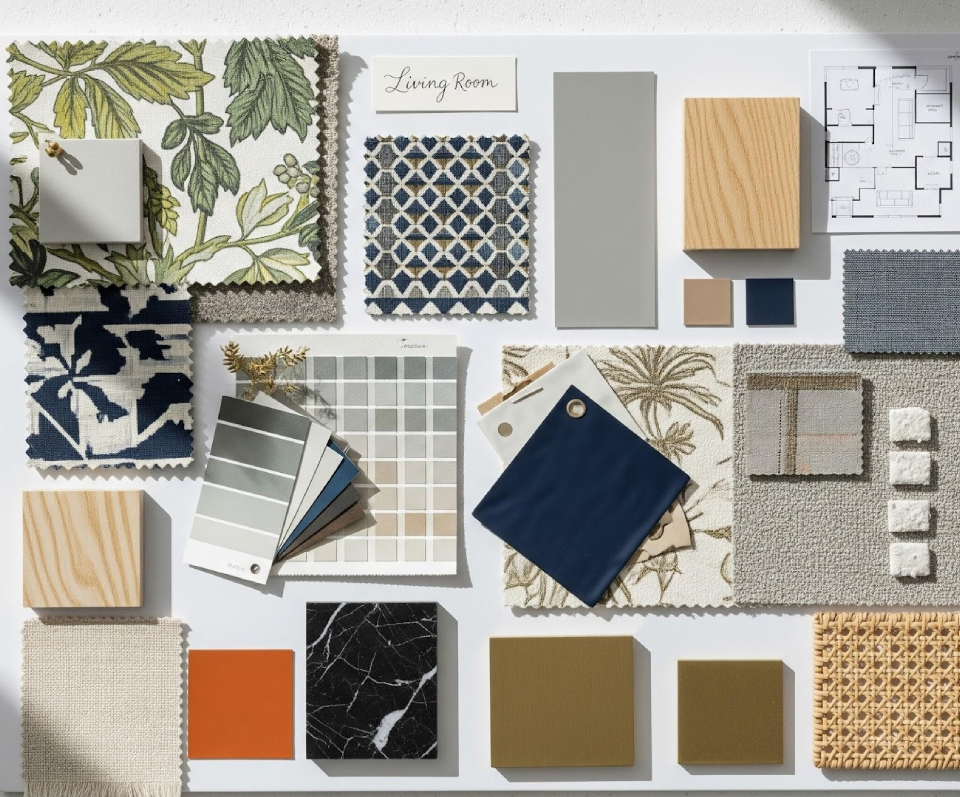
3. Embrace Variety: Different Pattern Types
Don’t stick to just one style of pattern! Mixing different types of patterns adds richness and complexity.
| Pattern Type | Description | Example |
|---|---|---|
| Geometric | Clean lines, shapes (stripes, chevrons, plaids, polka dots) | Adds structure and modernity |
| Organic/Floral | Nature-inspired, curves, botanical motifs | Brings softness and natural elegance |
| Abstract | Non-representational, unique forms and brushstrokes | Introduces artistic flair and contemporary feel |
| Animal Print | Leopard, zebra, tiger patterns | Adds a touch of exotic luxury and boldness |
| Textural | Subtle patterns created by fabric weave or material | Provides understated depth and warmth |
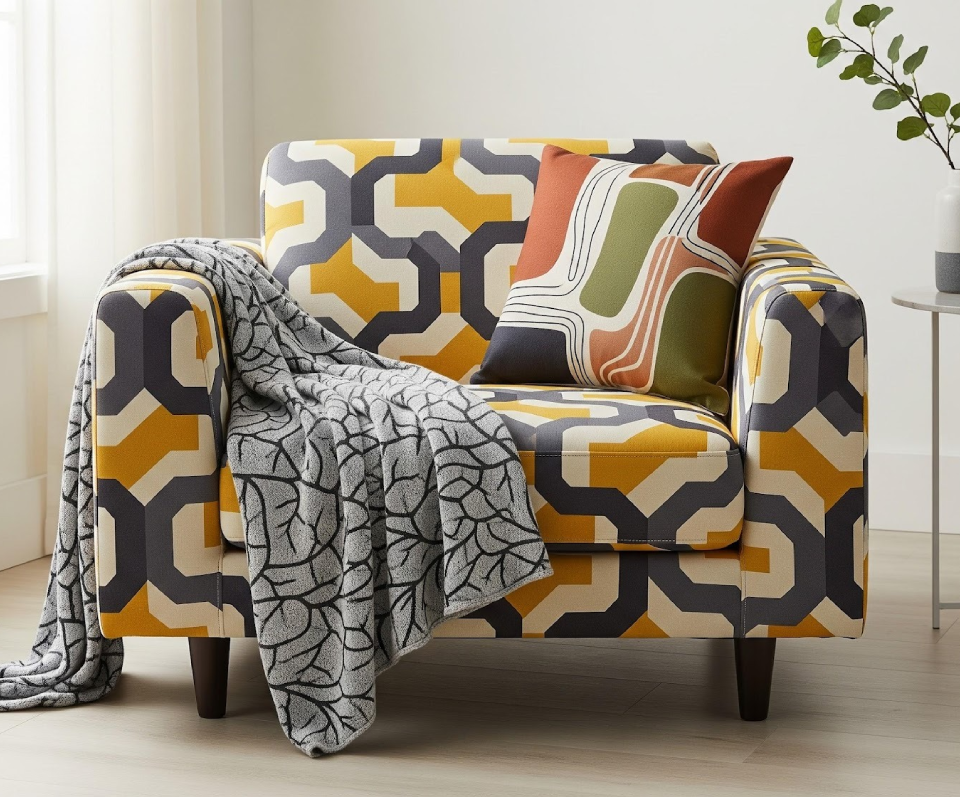
4. Unify with Color: The Common Thread
Color is your secret weapon for harmony. Even if your patterns are vastly different, a consistent color palette will tie everything together beautifully.
- Shared Hues: Choose 1-3 colors that appear in all or most of your chosen patterns.
- Neutrals as Grounding Elements: Use solid neutrals on walls, larger furniture pieces, or as breaks between patterned elements to allow the eye to rest.
- Varying Tones: Don’t be afraid to use different shades and tints of your chosen colors.
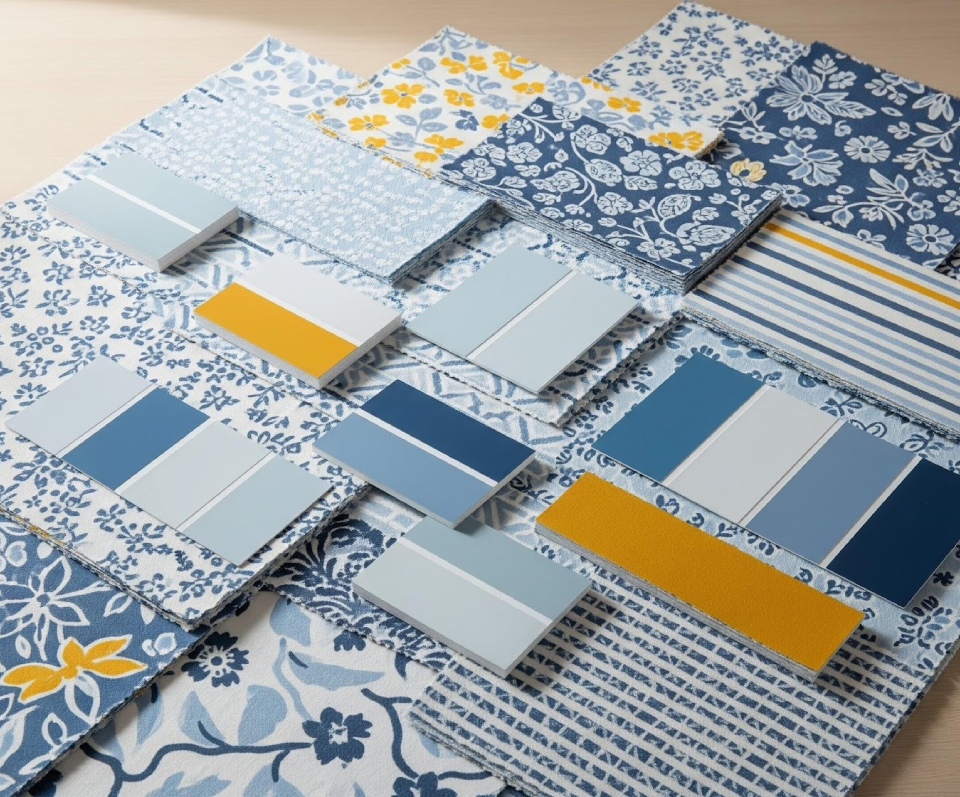
5. Less is More: Know When to Stop
The “without the clutter” part is crucial! Too many patterns, even if well-chosen, can still feel busy.
- Rule of Three (or Five): A good starting point is to mix 3 patterns. For more experienced designers, 5 can work. Beyond that, it becomes challenging to maintain balance.
- Strategic Placement: Distribute patterns throughout the room rather than concentrating them all in one spot.
- Allow for Breathing Room: Ensure there are solid, unpatterned surfaces or areas where the eye can rest.
6. Trust Your Gut and Experiment
Ultimately, interior design is personal. While these rules provide a solid framework, don’t be afraid to trust your intuition and experiment.
- Test It Out: Before committing, arrange your chosen fabrics and patterns together to see how they interact. Take photos from different angles.
- Small Doses: If you’re nervous, start small with throw pillows, blankets, or framed art before moving to larger pieces.
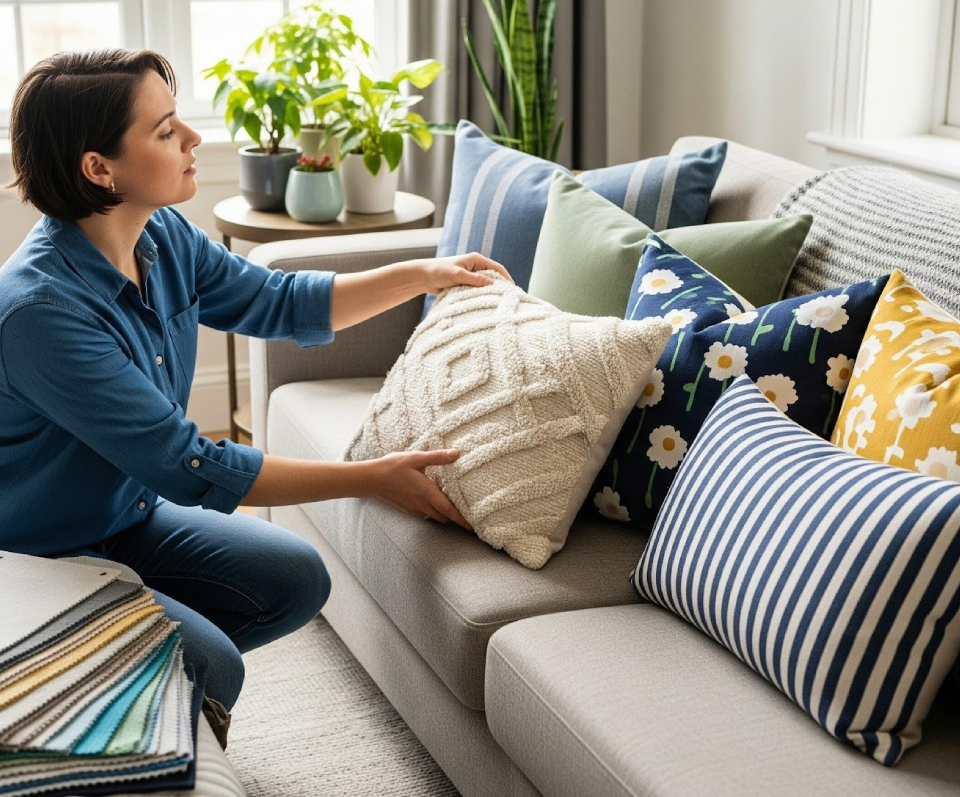
Mixing patterns like a pro is about creating a dynamic yet cohesive story in your home. By thoughtfully combining patterns of varying scales, types, and unified by color, you can achieve a sophisticated and personalized look that feels inviting, not overwhelming. So go ahead, be bold, and let your patterns do the talking!
Ready to give it a try? If you’d like to share your pattern mixing adventures, please leave a comment below!