


Stop Decorating, Start Designing: The Mindset Shift That Changes Everything
Have you ever found yourself endlessly scrolling through Pinterest, buying trendy decor items, and still feeling like your home lacks a cohesive, intentional feel? You’re not alone. Many people approach their living spaces with a “decorating” mindset, which often leads to a collection of beautiful but disparate pieces.
But what if you shifted your perspective from decorating to designing? This fundamental change in approach can transform your home from a collection of items into a thoughtfully curated sanctuary that truly reflects you. Designing is about intention, functionality, and creating a cohesive story within your space.
The Decorating Mindset vs. The Designing Mindset
Let’s break down the difference:
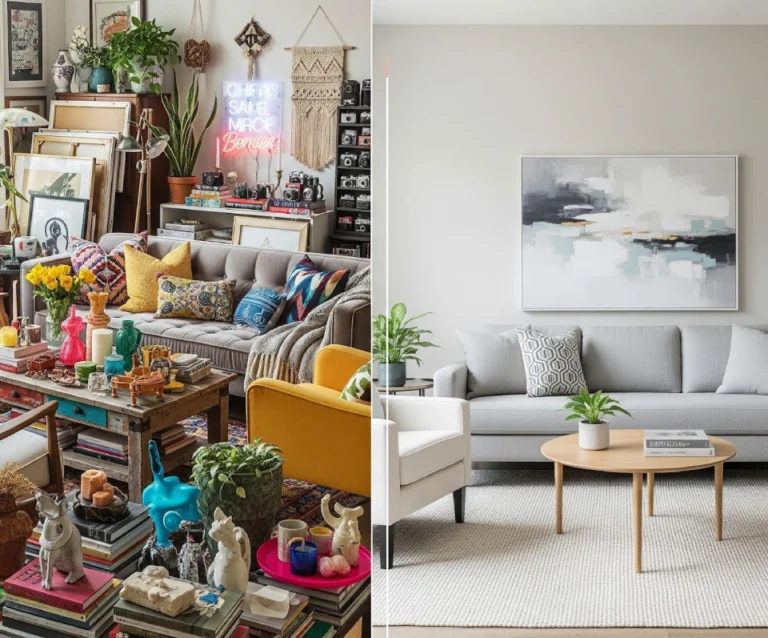
Decorating Mindset:
- Focuses on aesthetics and trends.
- Buys items based on impulse or what’s popular.
- Treats rooms as separate entities.
- Often leads to clutter and a disjointed look.
- Prioritizes superficial beauty.
Designing Mindset:
- Focuses on purpose, function, and flow.
- Considers how each element contributes to the overall space.
- Thinks about the home as a whole, rather than individual rooms.
- Prioritizes comfort, usability, and personal connection.
- Creates spaces that support well-being and daily life.
Making the Shift: Key Principles of Intentional Design
Ready to move from merely decorating to truly designing? Here are the core principles to guide your journey:
1. Define Your Purpose
Before you even think about furniture or paint colors, ask yourself: What is the primary function of this space? How do I want to feel when I’m in it?
- Is your living room for lively entertaining or quiet evenings?
- Do you need a productive home office or a tranquil reading nook?
Understanding the purpose will dictate every design choice.
2. Embrace Functionality
Design is not just about how something looks; it’s about how it works. Each item in your home should serve a purpose and be easily accessible.
- Choose furniture that fits the scale of your room and allows for comfortable movement.
- Integrate smart storage solutions to reduce clutter.
- Ensure lighting is appropriate for the activities performed in each area.
3. Consider Flow and Layout
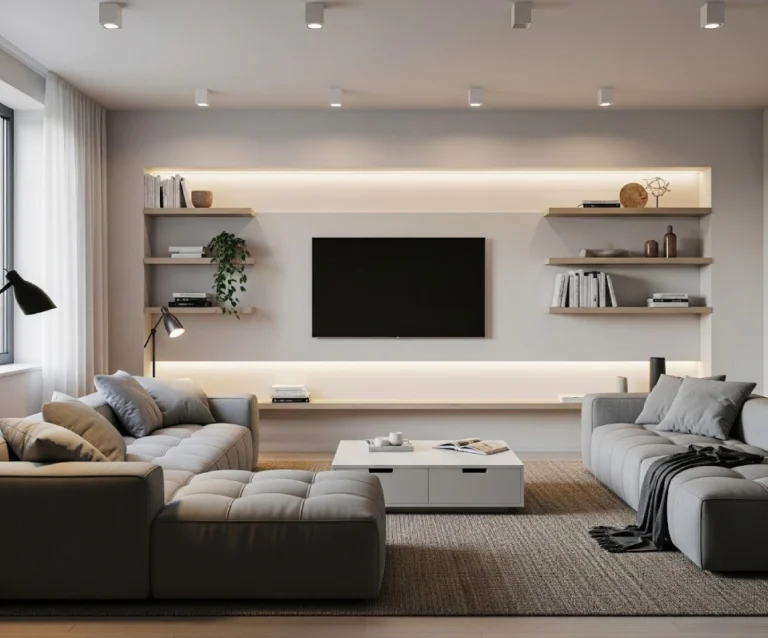
A well-designed home has a natural flow from one space to the next. Think about how you move through your home and arrange furniture to facilitate easy navigation.
- Create clear pathways.
- Group furniture to define zones within open-plan spaces.
- Ensure doorways and windows are not obstructed.
4. Develop a Cohesive Color Palette and Material Scheme
Instead of picking colors and materials room by room, think about how they connect throughout your entire home. A consistent palette creates a sense of harmony and sophistication.
- Choose a primary neutral color, an accent color, and a texture that you can carry through different rooms.
- Use natural materials like wood, stone, and linen to add warmth and authenticity.
5. Personal Connection and Authenticity
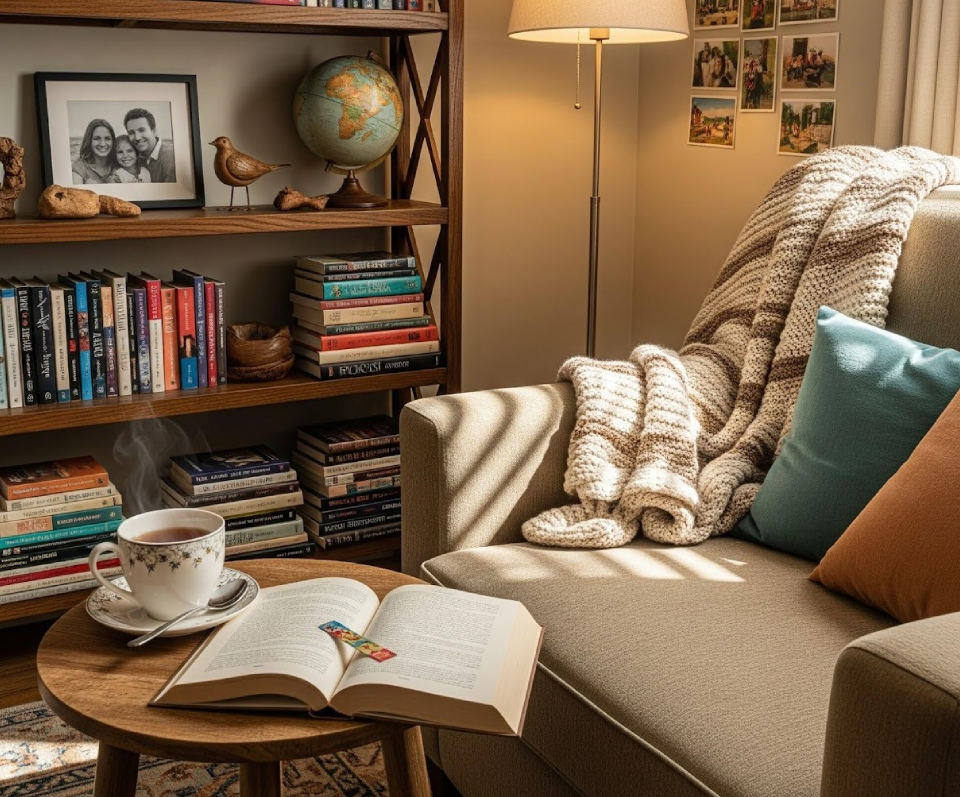
Your home should tell your story. Incorporate items that hold personal meaning, evoke positive emotions, and reflect your unique personality.
- Display meaningful artwork, photographs, or collectibles.
- Choose pieces that you genuinely love, not just what’s popular.
- Let your home evolve with you.
Practical Steps to Start Designing
- Declutter Ruthlessly: Remove anything that doesn’t serve a purpose or bring you joy. A clean slate is essential for intentional design.
- Create a Mood Board: Collect images, colors, and textures that resonate with your desired feeling and aesthetic. This helps visualize your overall design.
- Invest in Key Pieces: Prioritize quality over quantity. A few well-chosen, functional pieces will have more impact than many trendy items.
- Layer Lighting: Combine ambient, task, and accent lighting to create different moods and highlight specific areas.
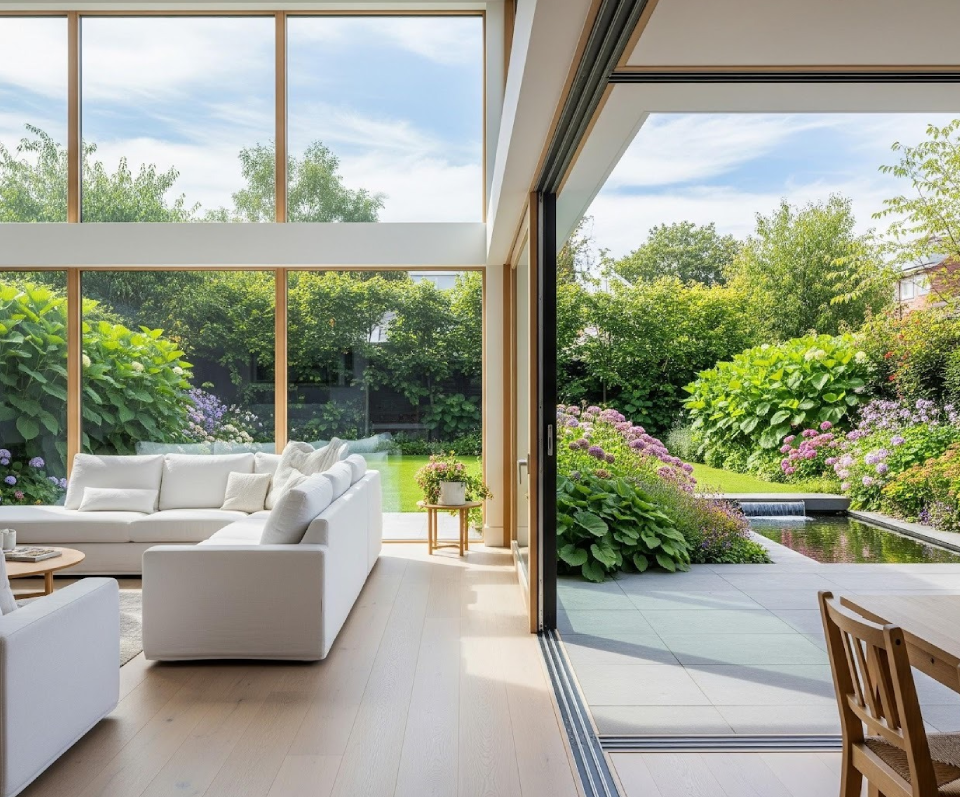
- Bring in Nature: Plants, natural wood, and sunlight connect us to the outdoors and enhance well-being.
The Transformative Impact
Shifting from decorating to designing is more than just an aesthetic change; it’s a lifestyle change. It empowers you to create a home that:
- Reduces stress and promotes calm.
- Supports your daily routines and activities.
- Reflects your true self and values.
- Becomes a true sanctuary where you can thrive.
It’s time to stop chasing fleeting trends and start crafting a home that deeply nourishes your soul. Embrace the design mindset, and watch your living spaces transform into intentional, beautiful reflections of you.