


Creating a Sanctuary: The Art of Intentional, Mindful Design
In our fast-paced world, finding a personal sanctuary is more important than ever. Your home should be a place where you can unwind, recharge, and feel truly at peace. This isn’t just about aesthetics; it’s about creating a space that supports your well-being through intentional, mindful design. Mindful design goes beyond superficial beauty, focusing on how a space makes you feel and how it contributes to your daily life.
The Philosophy of Mindful Design
Mindful design is rooted in the idea that our environment profoundly impacts our mental and emotional states. It encourages us to be deliberate about every element we bring into our homes, considering its purpose, its impact on our senses, and its contribution to an overall sense of calm and well-being. It’s about creating spaces that are not only beautiful but also functional, comfortable, and supportive of a mindful lifestyle.
Key Principles of Mindful Design
- Intention: Every design choice should have a purpose. Why is this piece here? How does it serve me?
- Simplicity: Embrace minimalism and decluttering to reduce visual noise and promote clarity.
- Nature: Integrate natural elements to foster a connection with the outdoors and bring a sense of tranquility.
- Comfort: Prioritize physical and emotional comfort through soft textures, ergonomic furniture, and inviting layouts.
Personal Connection: Surround yourself with items that hold meaning and evoke positive emotions.
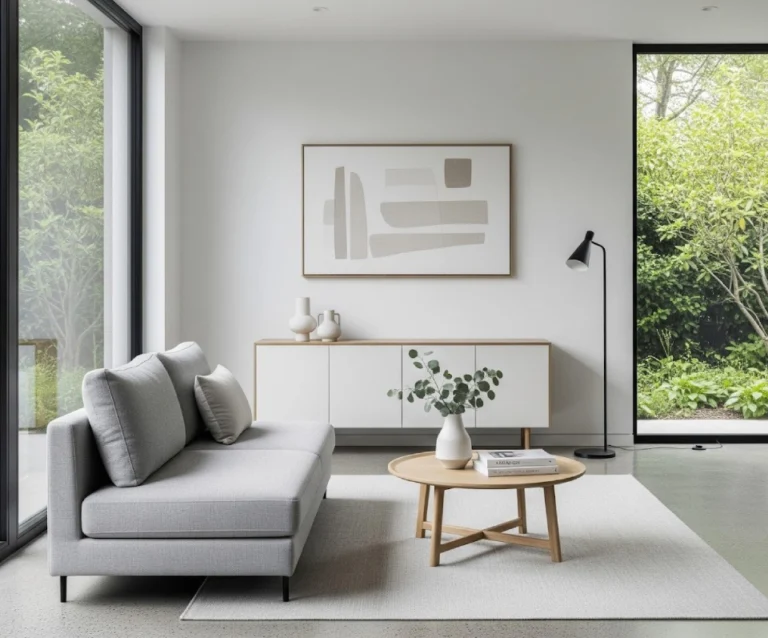
Crafting Your Sanctuary: A Step-by-Step Guide
Creating a mindful sanctuary is a journey, not a destination. It involves a thoughtful approach to every aspect of your home.
Step 1: Declutter and Organize
Before you add anything new, consider what needs to go. Clutter creates visual stress and hinders a sense of peace.
- Be Ruthless: Ask yourself if each item brings you joy or serves a practical purpose. If not, consider donating, selling, or discarding it.
- Create Storage Solutions: Invest in smart storage to keep essentials organized and out of sight. Baskets, built-in shelves, and furniture with hidden compartments can be invaluable.
- Digital Declutter: Don’t forget your digital space. A cluttered desktop or overflowing inbox can also contribute to mental fatigue.
Step 2: Embrace Natural Elements
Bringing nature indoors has a profound impact on well-being.
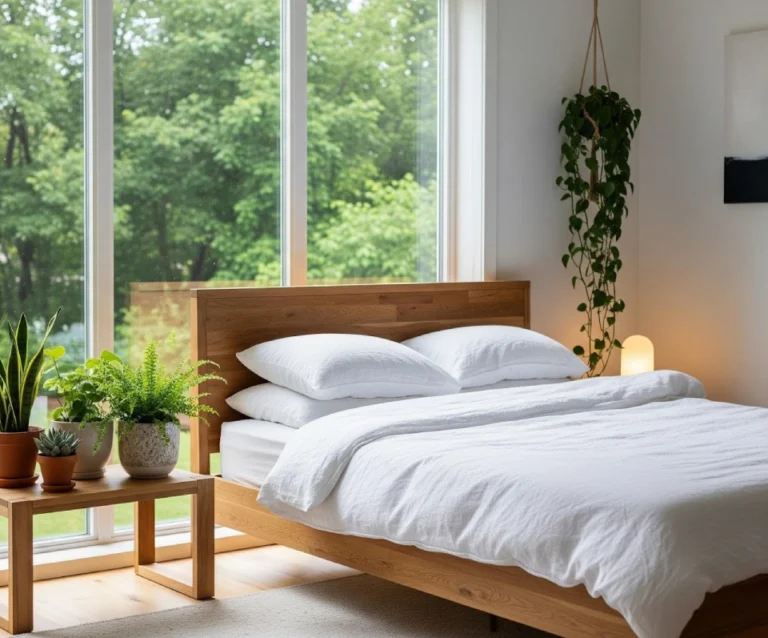
- Plants: Introduce a variety of indoor plants. They purify the air, add vibrant greenery, and create a sense of calm. Choose plants that are easy to care for and suit your lifestyle.
- Natural Materials: Opt for furniture and decor made from wood, stone, linen, cotton, wool, and rattan. These materials connect us to the earth and often have beautiful, subtle textures.
Natural Light: Maximize natural light by keeping windows unobstructed. Use sheer curtains or blinds that allow light to filter in while maintaining privacy.
Step 3: Cultivate Comfort Through Textiles and Textures
Texture plays a crucial role in how a space feels, both visually and physically.
- Layer Softness: Use a variety of soft textiles like throws, pillows, and rugs. Think about velvet, faux fur, chunky knits, and silk to add warmth and an inviting feel.
- Vary Textures: Combine smooth surfaces with rougher ones, and shiny elements with matte finishes, to create visual interest and depth. For example, a sleek marble coffee table can be softened with a woven placemat and a ceramic vase.
- Consider Acoustics: Soft furnishings also absorb sound, making a room feel quieter and more peaceful.
Step 4: Choose a Soothing Color Palette
Colors have a powerful psychological impact. For a sanctuary, opt for hues that promote calm and relaxation.
- Neutrals: Beige, cream, white, and gray provide a serene backdrop that can be easily updated with accent colors.
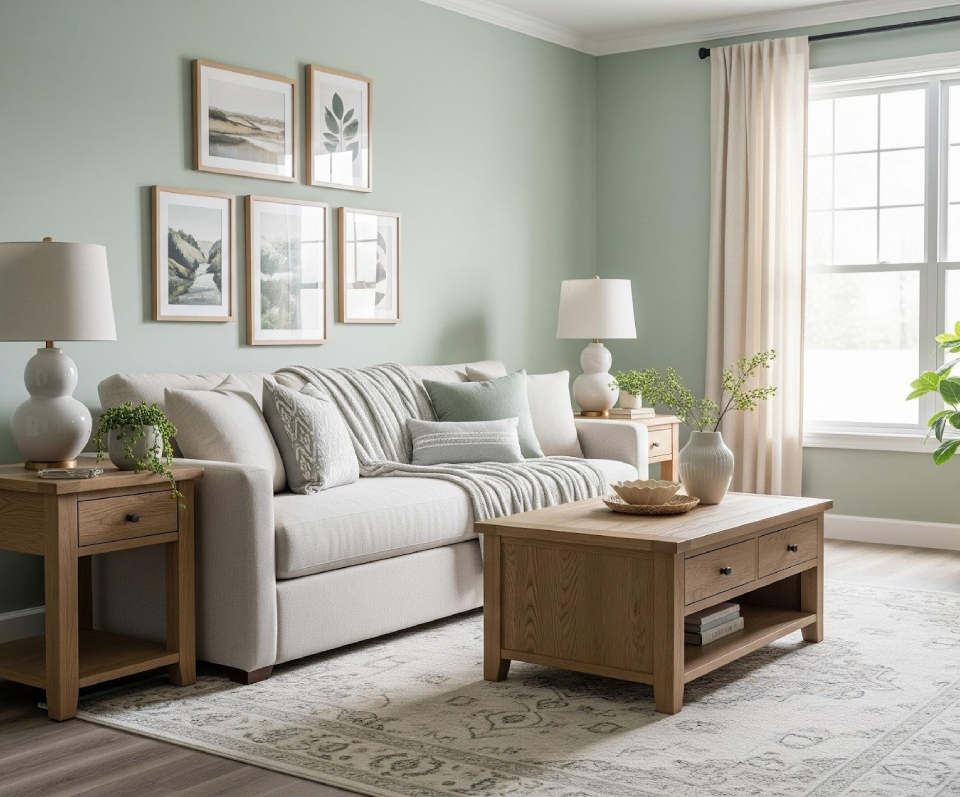
- Cool Tones: Blues and greens are known for their calming properties. Incorporate them through paint, textiles, or decorative objects.
Earth Tones: Soft browns, terracotta, and muted greens connect to nature and create a grounded feel.
Step 5: Incorporate Personal Touches
Your sanctuary should reflect who you are and what you love.
- Meaningful Objects: Display artwork, photographs, or souvenirs that evoke positive memories or emotions. Avoid cluttering surfaces with too many items.
- Comforting Scents: Use essential oil diffusers, candles, or natural potpourri to introduce calming scents like lavender, sandalwood, or chamomile.
- Mindful Lighting: Use warm, dimmable lighting to create a cozy ambiance in the evenings. Consider lamps with soft, diffused light instead of harsh overhead lighting.
Practical Applications: Room by Room
The Mindful Bedroom
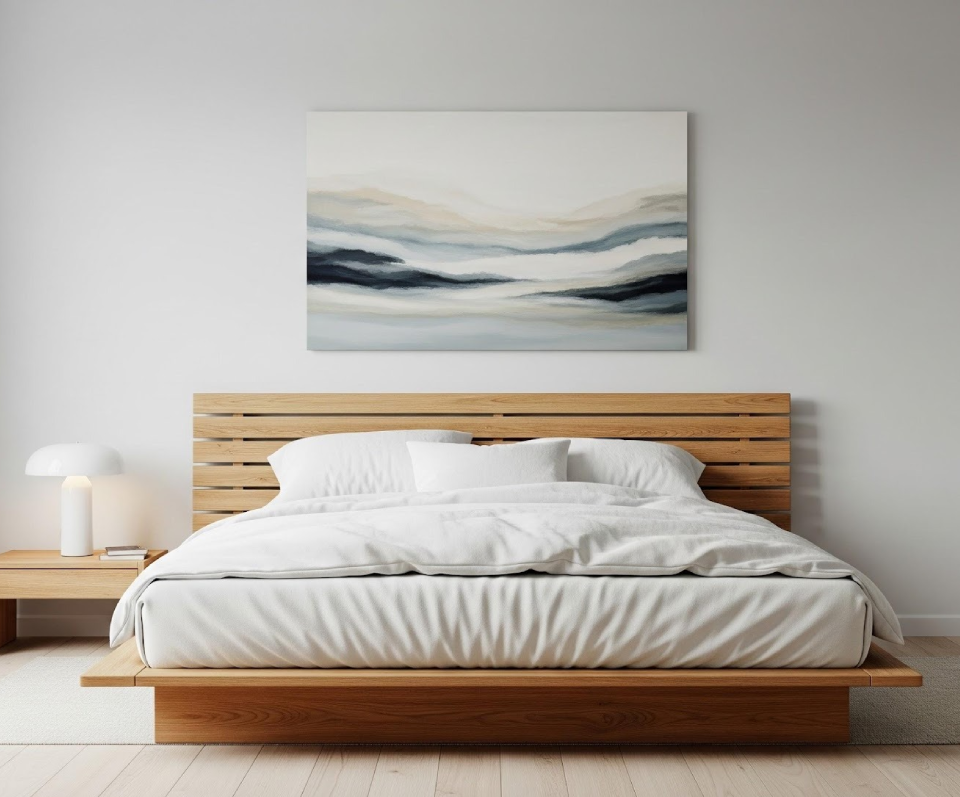
Your bedroom should be the ultimate haven for rest and rejuvenation.
- Declutter Bedside Tables: Keep only essentials like a lamp, a book, and a glass of water.
- Comfortable Bedding: Invest in high-quality, comfortable sheets, pillows, and blankets.
- Darkness and Silence: Ensure your room can be made dark for sleep. Consider blackout curtains and address any noise distractions.
- No Screens: Try to keep electronic devices out of the bedroom to promote better sleep hygiene.
The Serene Living Room
This is where you connect with loved ones or enjoy quiet moments.
- Comfortable Seating: Arrange furniture to encourage conversation and relaxation.
- Warm Lighting: Use a mix of floor lamps, table lamps, and perhaps a dimmer on overhead lights to create varying levels of illumination.
- Textural Richness: Layer rugs, throws, and pillows to add an inviting feel.
- Greenery: Add large potted plants to bring life and freshness into the space.
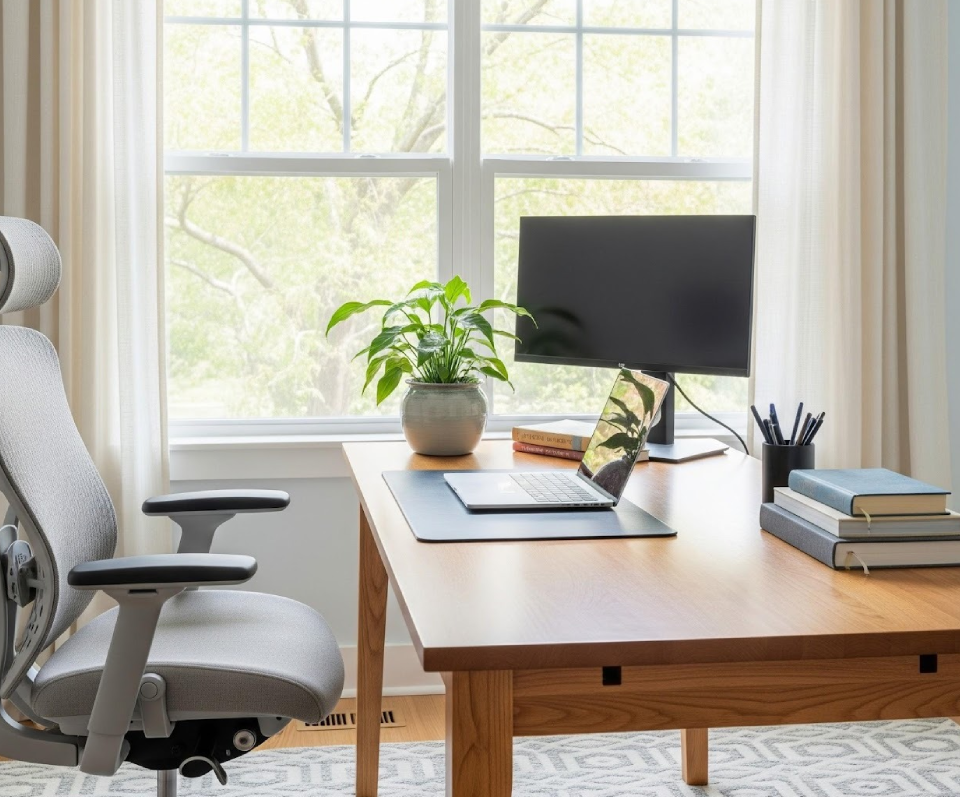
The Calming Workspace
Even a functional workspace can be mindful.
- Organized Desk: Keep your desk free of unnecessary items.
- Ergonomic Comfort: Invest in a comfortable chair and ensure your setup supports good posture.
- Natural Elements: Add a small plant or a natural wood accessory.
- Good Lighting: Ensure adequate, non-glaring light for productivity.
The Impact of Mindful Design on Well-being
The benefits of creating a mindful sanctuary extend far beyond aesthetics.
| Aspect of Well-being | How Mindful Design Helps |
|---|---|
| Stress Reduction | Decluttering and calming colors reduce visual and mental noise. |
| Improved Sleep | A serene bedroom environment, free of distractions, promotes deeper rest. |
| Increased Focus | An organized and uncluttered space allows for better concentration and productivity. |
| Emotional Balance | Surrounding yourself with meaningful objects and natural elements can uplift your mood. |
| Physical Comfort | Ergonomic furniture and soft textures reduce physical tension and promote relaxation. |
| Connection to Nature | Plants and natural materials foster a sense of grounding and tranquility. |
Conclusion
Creating a sanctuary through intentional, mindful design is an investment in your well-being. It’s about consciously shaping your environment to support peace, comfort, and personal growth. By focusing on decluttering, embracing nature, layering textures, choosing soothing colors, and incorporating meaningful touches, you can transform your home into a true haven. Start small, be patient, and enjoy the journey of crafting a space that nurtures your soul. Your sanctuary awaits.