


There’s something magical about watching a space come alive — seeing it evolve from a bare floor plan to a living, breathing expression of personality and purpose. When I first envisioned my home, I didn’t want it to be just aesthetically pleasing. I wanted it to tell a story — my story.
And now, walking through its halls feels like flipping through the pages of a visual memoir. In this post, I’ll take you on a room-by-room tour of my home, share the thought process behind each design decision, and offer a sneak peek into the upcoming model I’m working on — a project that reflects all the lessons, challenges, and beauty of this journey.
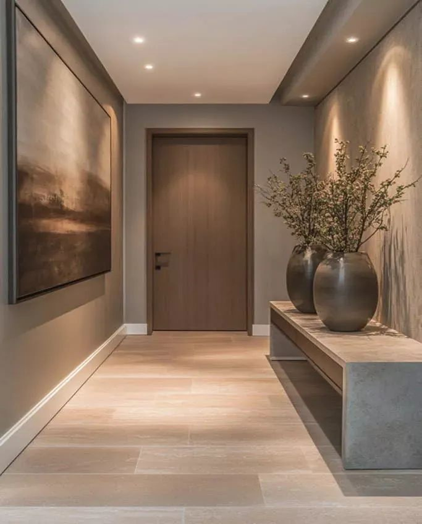
The entryway sets the tone. I wanted it to feel calm and inviting — like a soft exhale after a long day. The walls are painted a muted, earthy beige, with a narrow wooden console table that holds a ceramic bowl for keys, a vase with dried eucalyptus, and a round mirror that reflects light from the adjoining window.
A subtle runner rug leads you in, grounding the space without overwhelming it. It’s simple, warm, and quietly elegant — much like the rest of the house.
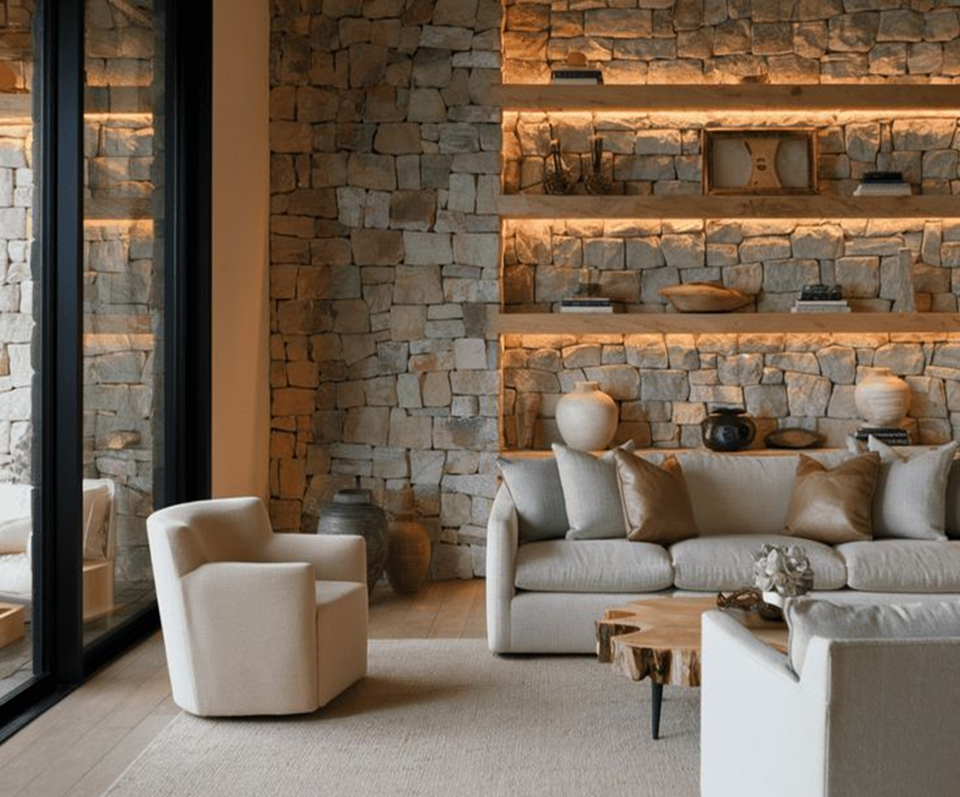
This is the heart of the home — the place where conversations flow, books get read, and Sunday afternoons stretch lazily into evenings.
The color palette here was inspired by nature: sage green, soft clay, muted ivory, and hints of deep charcoal. The couch is large and plush, surrounded by mismatched armchairs — each with its own character, just like the people who sit in them.
Textures are everything in this space — linen curtains, a jute rug, cotton throws, and handcrafted wooden accents. Instead of a traditional coffee table, I opted for two nesting tables, which can be moved around depending on the occasion.
There’s no giant TV dominating the room. Instead, there’s a gallery wall — a mix of black-and-white photography, abstract sketches, and vintage finds from weekend markets.
Design Tip for Professionals: Let your focal point be emotional, not just visual. Sometimes, a photo wall sparks more stories than a screen.
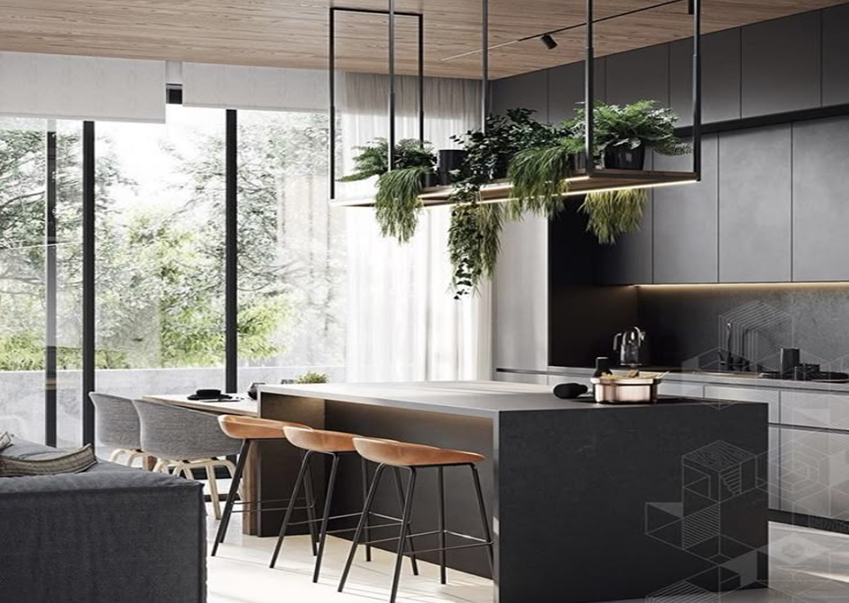
The kitchen is open and unfussy. White cabinets, open oak shelves, and a warm concrete countertop blend functionality with a slightly rustic edge.
I kept it clutter-free — only the essentials are visible: a ceramic kettle, a mortar and pestle, a spice rack, and a row of hanging mugs. A deep farmhouse sink and matte black tapware complete the look.
At the center is a small island — part prep space, part coffee corner. It’s where breakfast happens, late-night snacks are assembled, and spontaneous heart-to-hearts begin.
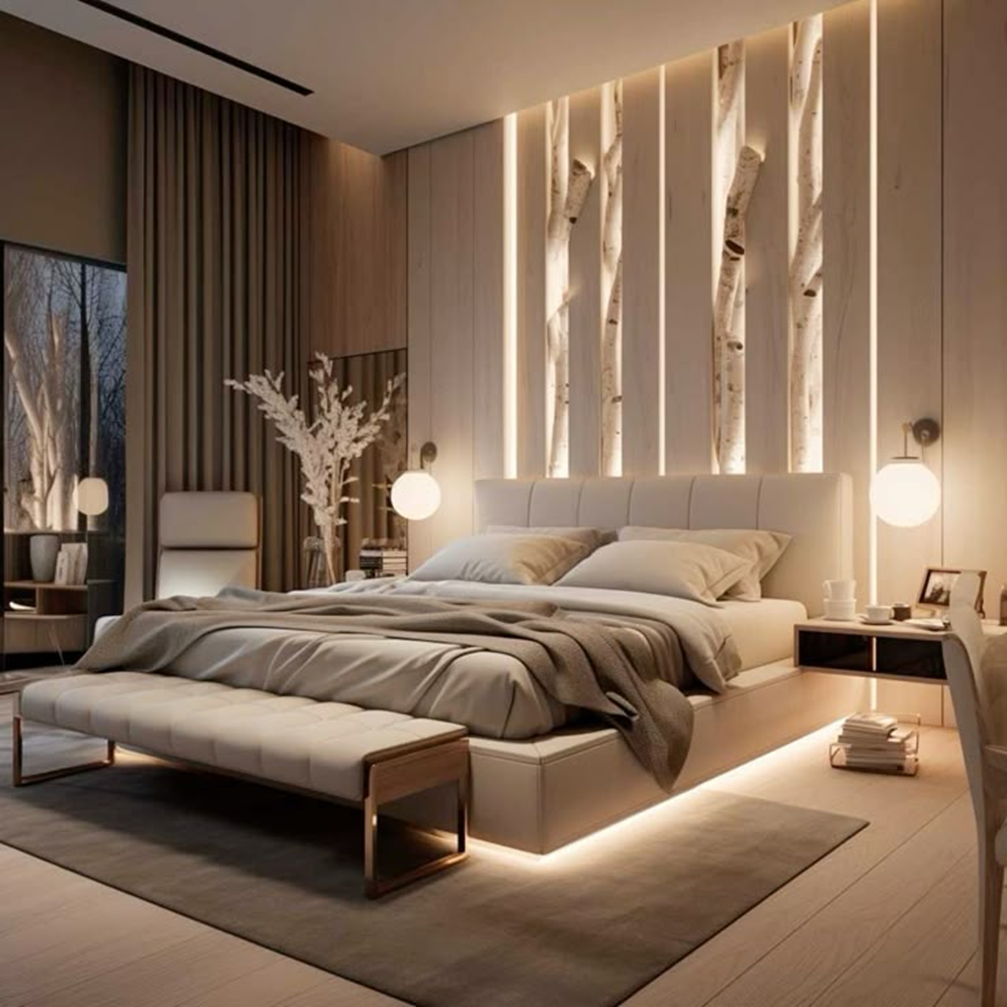
The bedroom is intentionally under-designed. It’s where I go to feel weightless.
A low platform bed, soft linen sheets, and layered textures bring in warmth and restfulness. A single pendant light hangs above a minimalist wooden nightstand, next to a stack of well-loved books.
The color scheme? Muted — warm whites, dusty rose, and just a hint of olive green. There’s nothing loud here, and that’s the point. Even the art is soft — a watercolor painting of a foggy morning in the hills.
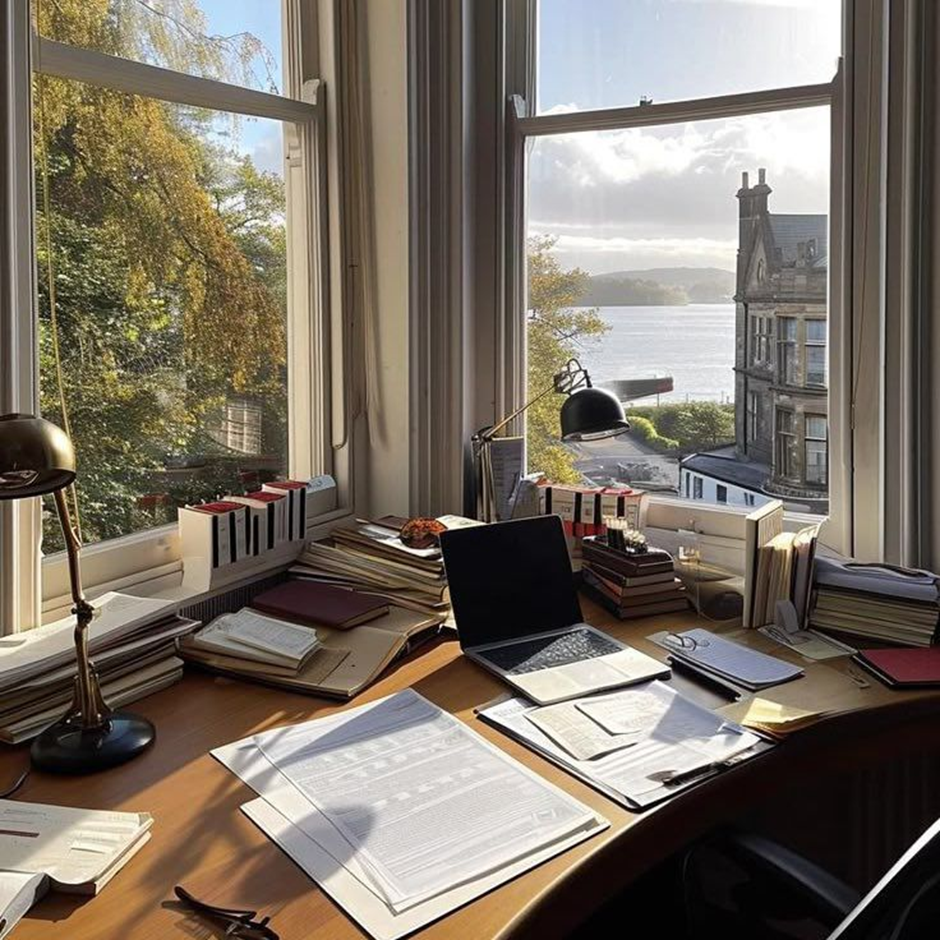
Tucked in a corner by the large window, this is where I write, sketch, and dream.
A mid-century modern desk, a vintage lamp, and a vision board filled with fabric swatches, quotes, and tiny hand-written goals. There’s a large pinboard behind the monitor filled with design inspiration, post-it notes, and prints from the upcoming model I’m working on.
It’s an evolving space — messy, alive, and unapologetically mine.
Now that this home feels like home, I’ve been pouring my heart into the next model — one that blends biophilic design, clean geometry, and modular flexibility.
It’s a concept meant to adapt: for families, creators, and professionals who work from home. Think:
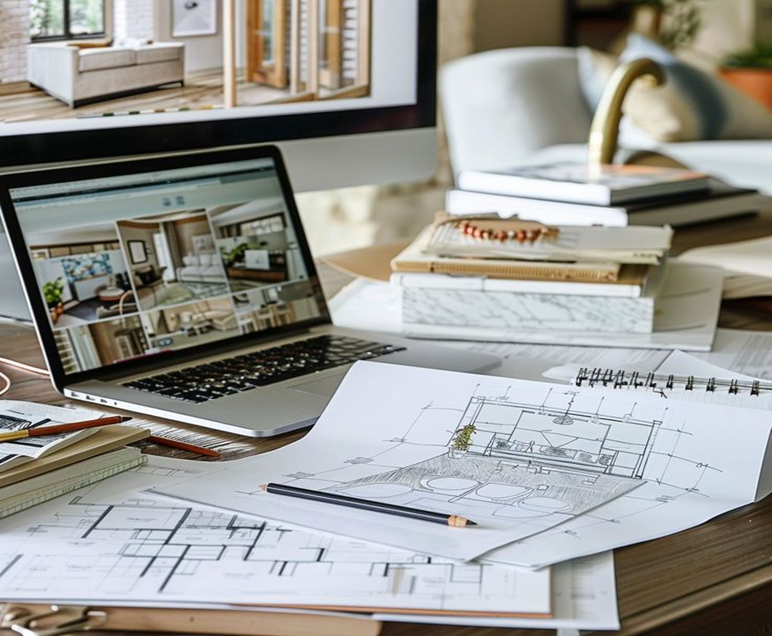
This model reflects a growing shift in interior philosophy: one where design doesn’t just decorate life — it enhances it.
This house isn’t a trend-following showpiece. It’s lived-in. It’s layered. It’s personal. And that’s what makes it beautiful.
To those designing their own space — whether you’re a homeowner or an interior designer — my advice is simple: Don’t rush it. Let the space unfold naturally. Let it reflect who you are, not who Instagram tells you to be.
Because the most inspiring spaces aren’t always the most perfect. They’re the most honest.